
About us
About us
Meet your guides and find out what makes our tours unique. Find out about who we’ve worked with and how ‘Belfast Romances’ was created!
Our Belfast walking tour guides are all locals and experts in their fields. Find out more about us, what interests us & who we’ve worked with!
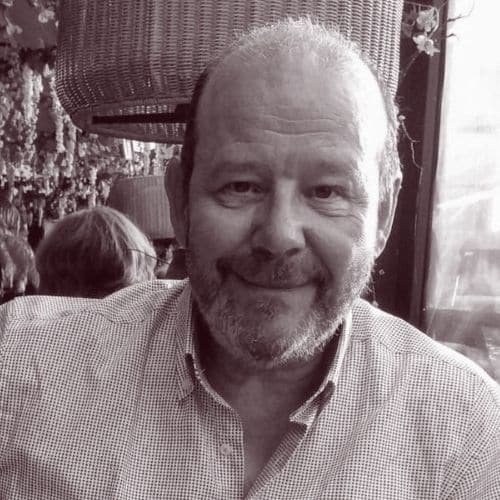
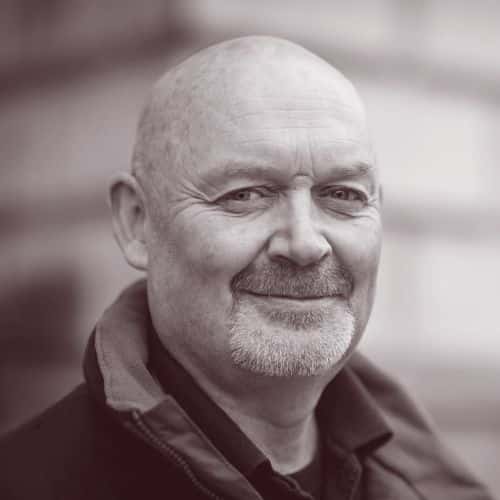
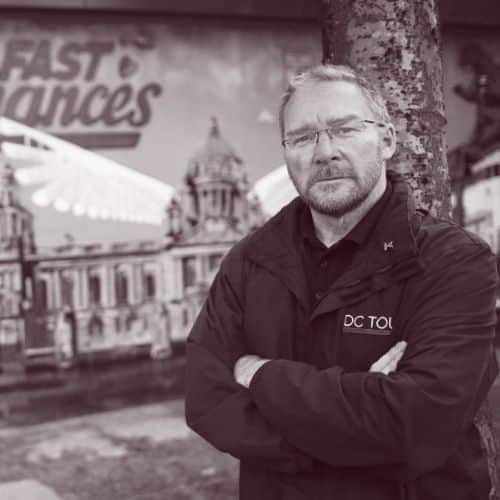
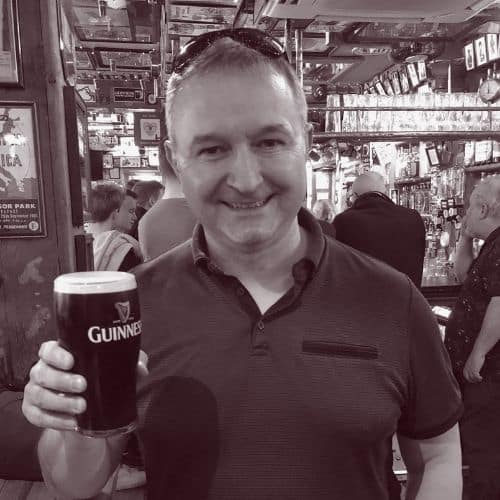
Meet our guides
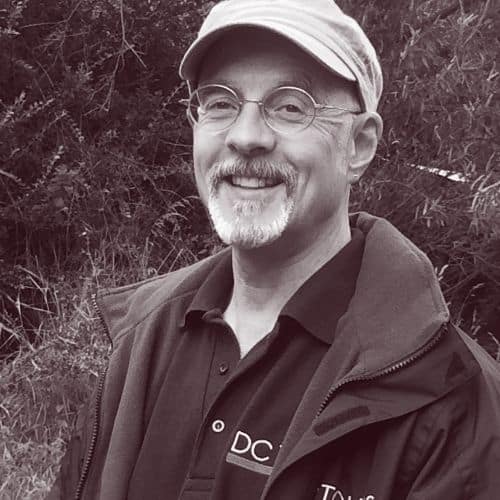
Paul Donnelly
I’ve been the lead tour guide at DC Tours since we first hit the streets back in 2013. Before that I worked in Adult, Community and Political education, earning my stripes in conflict resolution and mediation work across Belfast. In 2019 I was voted UK Tour Guide of the Year.
I love what I do because it’s real, powerful and cathartic.
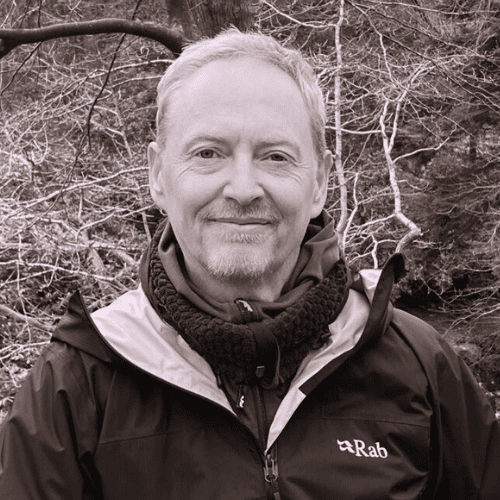
Mark Wylie
I’m an Anthropology and Celtic Archaeology graduate, studying both Irish Conflict and Celtic Civilisation. I spent many years working in the events industry (wonderful) and recruitment (hateful). In 2013 I was looking for a fresh challenge, so I set up DC Tours together with Paul, our Lead Guide. We wanted to create a walking tour with a completely fresh approach and a deliberately independent look and feel.
Gabe Nelson
I was born in the late ‘50s and grew up in North Belfast before and after the ‘Troubles’ started. When I got married I moved to East Belfast and I’ve lived in this part of the city ever since. Because I was born ten years before the ‘Troubles’ started and have lived in Belfast all my life, I have a very personal experience of life here. I know what it was like to live a “normal” childhood here – followed by 30 years of anything but! And now we are back to something that appears quite normal again!
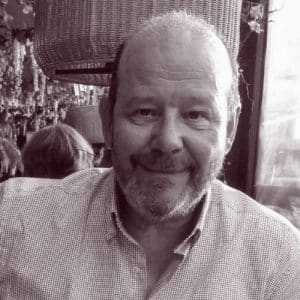
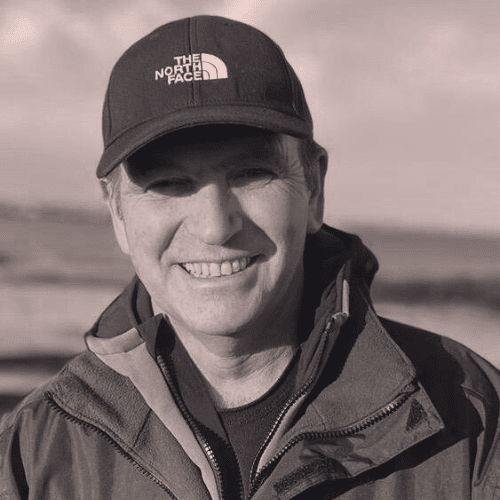
James Ellson
I joined DC Tours in July 2020 after retiring from a 30 year career in public service. I’ve worked right across Northern Ireland, including central Belfast. I’m immensely proud of my home city and studied Politics and Modern History at Queens University. During my student years I was also editor of charity Rag mag “PTQ” or “Pro Tanto Quid”. This comes from the motto on Belfast’s Coat of Arms – Pro Tanto Quid Retribuamus – “in return for so much, what shall we give back”. Being a Belfast walking tour guide gives me the opportunity to show off my beloved city and give something back.
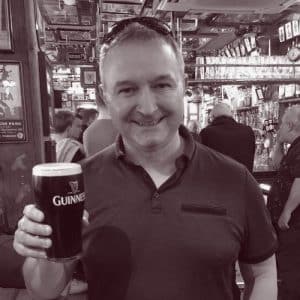
Steve Malone
I’ve had several years’ experience as a tour guide since going back to school at the Metropolitan College and qualifying as a Level 2 and Level 3 Guide. I was born in Belfast and grew up here during the formative years of the Troubles. I graduated in History and Politics from the University of Ulster and have a keen interest in the social history that shaped today’s progressive society.
Chris Irwin
I spent 30 years working in public service where I was involved in areas including community protection and working with vulnerable young people. Part of my role was to try to increase people’s knowledge and to change their perceptions and I see taking a History of Terror tour in a similar light. It gives a real insight into what was happening in those dark days of The Troubles and delivers that story from different perspectives – no mean feat when looking back at what happened in Northern Ireland.
Jim McGhee
I came to tour guiding after a long and very enjoyable career in training and personal development, which took me all over the world. I love having the opportunity to use the skills and knowledge I’ve gained over the years in tour guiding. The thing I enjoyed most in my previous career was working with people, so becoming a tour guide was a natural progression – it allows me to fully engage with our guests in a first-class walking tour experience.
Collaborations
Blindboy Podcast
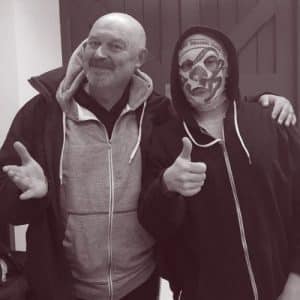
Back in early 2018 we were invited to take part in a live audience event with the ridiculously talented and smart Blindboy Boatclub of the RubberBandits. Blindboy has the most popular podcast in Ireland, with over 1 million listeners. The resulting 90 minute discussion between our Donzo and Blindboy was recorded, and it became Blindboy’s first live podcast. We have lost count of the number of guests we have had on the tour who heard of us through the podcast. We just know we owe Blindboy a lot of beers! Here’s the podcast, we hope you enjoy it. But please be aware there’s a tiny bit of swearing…
Belfast Romances
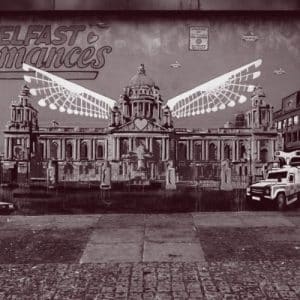
In early 2019 we got to create our very own mural together with the Bullitt Hotel, Jameson’s Irish Whiskey and the very excellent artist Leo Boyd. Leo’s idea was to show “Belfast as a city in a pop-art, day-glo disaster zone”. Visitors on our Belfast walking tours regularly tell us our tour helped them fall in love with the city. We feel it represents not just what we have gone through, but our resilience and how far we’ve come in recent years. ‘Belfast Romances’ is on the route of our city centre tour and is a love story of sorts. You can actually become immersed in our story, and so become part of the city. It creates a fun way to remember your visit.
Ready to take a tour?
If you’d like to book one of our tours, just select one of our bestsellers below. Or visit our Tours page for more inspiration!
A History of Terror
Our award-winning expert guides explain the Troubles and the peace process with honesty and great insight. All from an entirely neutral perspective.
The Best of Belfast
Our essential 2.5 hour city centre tour exploring our history, culture, architecture and art. Find out what makes Belfast so unique!